Get Gutter Rerouting
Gutter rerouting services help property owners fix drainage issues by redirecting gutters around obstacles or damaged areas, involving projects like regrading, extensions, or replacements.
If you’re considering gutter rerouting for your property, you’ve come to the right place. This type of work can address common issues like improper drainage, foundation concerns, or landscape protection, making it a practical step for many property owners. Exploring your options and planning ahead can help ensure the project meets your needs effectively, whether you’re updating an existing system or addressing specific drainage challenges.
There are a variety of local contractors experienced in gutter rerouting services, each offering different approaches to suit your property’s unique requirements. Comparing these local service providers can help you find the right fit for your project. Keep reading to discover how connecting with the right professionals can make planning your gutter rerouting project a straightforward process.
- Gutter rerouting - needed when existing gutters no longer direct water properly away from the foundation.
- Gutter rerouting - required if new landscaping or additions interfere with current gutter pathways.
- Gutter rerouting - necessary after home renovations that alter rooflines or exterior structures.
- Gutter rerouting - advised when existing gutters are damaged or improperly installed, causing leaks or overflow.
- Gutter rerouting - sought when upgrading or replacing outdated gutter systems to improve drainage performance.
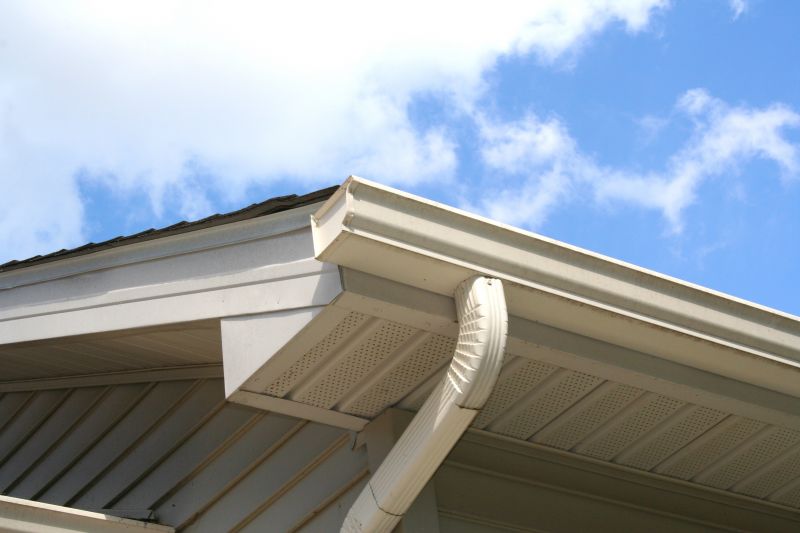

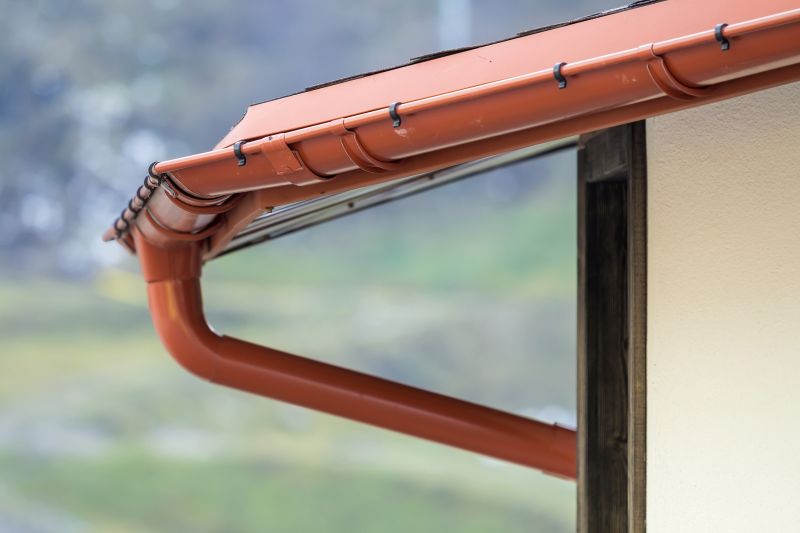
Gutter rerouting services involve adjusting the path of existing gutters to ensure proper drainage away from a property's foundation. This process typically includes inspecting the current gutter system, identifying areas where water flow is inefficient or causing issues, and then repositioning or extending the gutters and downspouts. The goal is to create a more effective drainage route that prevents water from pooling near the home, reducing the risk of water damage, basement flooding, and soil erosion around the property.
Many problems can be addressed with gutter rerouting, especially when existing systems are no longer functioning as intended. Common issues include gutters that overflow during heavy rain, downspouts that direct water toward the foundation, or gutters that are improperly pitched or blocked. Rerouting can help solve these problems by redirecting water flow to safer locations, such as drainage systems or areas with better runoff capacity, ultimately protecting the home's structural integrity and landscaping.
Properties that often benefit from gutter rerouting include older homes with outdated gutter systems, homes located on uneven terrain, or properties with landscaping that has been altered over time. Commercial buildings and multi-family residences may also require rerouting services to manage larger volumes of water effectively. Homeowners experiencing frequent water intrusion, foundation concerns, or landscape erosion are encouraged to consider gutter rerouting as a practical solution to improve drainage and prevent future issues.
When considering gutter rerouting, it's important to work with experienced local contractors who understand the specific drainage challenges of the area. These service providers can assess the property's unique needs, recommend appropriate rerouting strategies, and ensure the work is completed to improve water flow and protect the property. Contacting local pros can help homeowners find the right solutions to maintain the safety and stability of their homes and properties.
The overview below groups typical Gutter Rerouting projects into broad ranges so you can see how smaller, mid-sized, and larger jobs often compare in your area.
In many markets, a large share of routine jobs stays in the lower and middle ranges, while only a smaller percentage of projects moves into the highest bands when the work is more complex or site conditions are harder than average.
Smaller Repairs - minor gutter rerouting jobs typically cost between $250 and $600. Many routine adjustments fall within this range, especially for straightforward rerouting around obstacles or small sections. Larger or more complex repairs may cost more depending on the scope.
Moderate Projects - rerouting for a larger section of gutters or multiple areas usually ranges from $600 to $1,200. Many local contractors handle these projects within this band, which covers most mid-sized rerouting needs. The cost can increase if additional work is required.
Full Replacement - replacing entire gutter systems or rerouting extensive sections can range from $1,200 to $3,500 or more. Larger projects with complex configurations tend to push into this higher tier, though fewer jobs reach the top end of this range.
Complex or Custom Jobs - highly intricate rerouting involving custom solutions or challenging building features can exceed $3,500, with some projects reaching $5,000 or higher. These are less common and typically involve specialized work by experienced local service providers.
Actual totals will depend on details like access to the work area, the scope of the project, and the materials selected, so use these as general starting points rather than exact figures.
Gutter Repair Projects - local contractors often use similar skills and tools to fix damaged or leaking gutters, ensuring proper water diversion from roofs.
Roof Drainage System Installations - installing and maintaining roof drainage systems requires planning and expertise comparable to gutter rerouting services.
Downspout Extension Services - extending or rerouting downspouts involves similar techniques and knowledge as gutter rerouting to direct water away from foundations.
Exterior Drainage Solutions - designing and installing exterior drainage systems shares planning and installation skills with gutter rerouting tasks.
Eavestrough Replacement Projects - replacing old or damaged eavestroughs involves similar material handling and installation methods as rerouting gutters.
Clog Removal and Maintenance - clearing debris from gutters and downspouts requires understanding of gutter systems, akin to rerouting services.
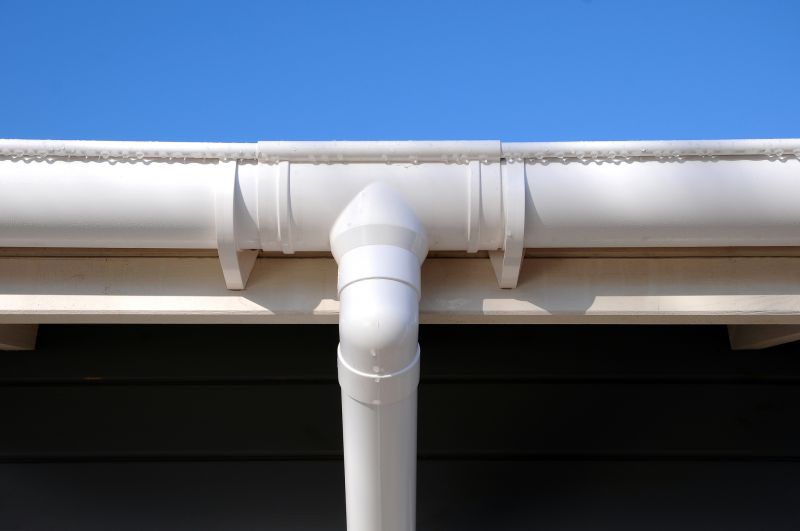
When comparing service providers for gutter rerouting, it’s important to consider their experience with similar projects. Look for local contractors who have a proven track record of handling gutter rerouting jobs comparable in scope and complexity. An experienced professional is more likely to understand the nuances of your property’s architecture and drainage needs, which can lead to a smoother process and a more effective outcome. Gathering information about their past work on similar projects can help gauge their familiarity with the specific challenges involved, ensuring that the chosen contractor has the right background to complete the job successfully.
Clear, written expectations are essential when evaluating potential service providers. A reputable local contractor should be able to outline the scope of work, materials to be used, and any other relevant details in a written format. This documentation helps prevent misunderstandings and provides a reference point throughout the project. When comparing options, look for providers who communicate their plans clearly and are willing to put their expectations in writing. This transparency can make it easier to assess whether a contractor’s approach aligns with your goals and ensures everyone is on the same page from start to finish.
Reputable references and good communication are key factors in selecting a reliable gutter rerouting service provider. Asking for references from previous clients can provide insight into the contractor’s workmanship, reliability, and professionalism. Additionally, effective communication throughout the process-such as prompt responses to questions and proactive updates-indicates a contractor’s commitment to customer service. Remember, the goal is to find a local service provider who not only has the skills needed but also maintains open and honest communication, making the entire project experience more straightforward and trustworthy.
Property owners use Gutter Rerouting services for practical projects around their homes and businesses. This guide focuses on everyday jobs and straightforward project options.
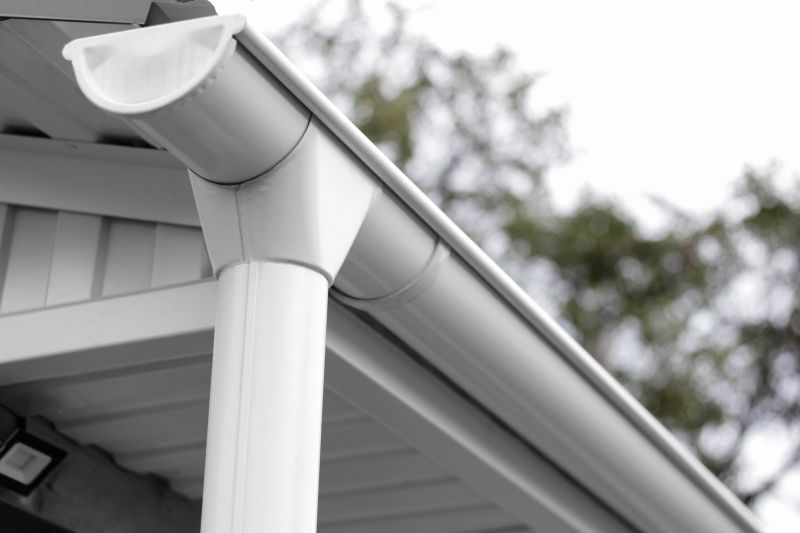
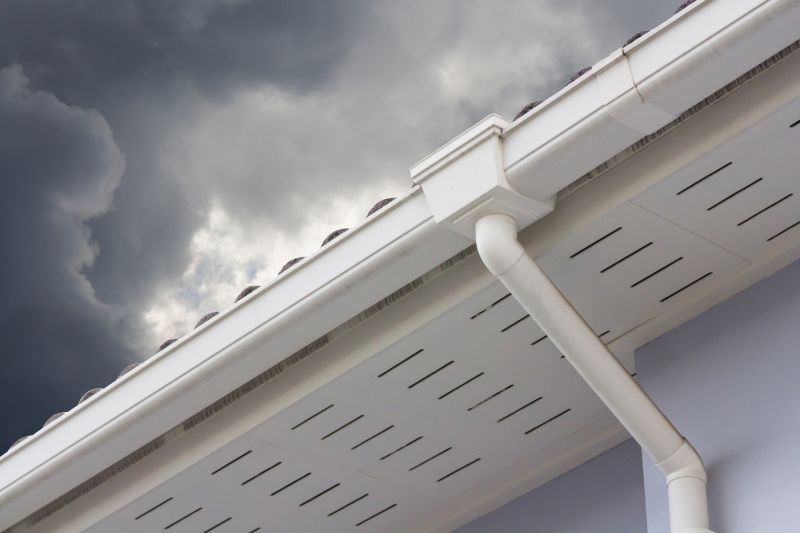
Gutter rerouting services are often needed when property owners notice issues like overflowing gutters, water pooling near the foundation, or damaged downspouts that no longer direct water away from the building properly. These common situations can arise from aging gutters, shifting building structures, or changes in the landscape around a property. Local contractors who specialize in gutter rerouting can assess these issues and provide solutions to ensure water flows away from the property as intended, helping to prevent water damage and foundation problems.
In addition, property owners may seek gutter rerouting when planning renovations, additions, or landscaping projects that alter the natural flow of water around the property. Sometimes, existing gutter systems are incompatible with new structures or landscaping features, requiring adjustments to improve drainage. Local service providers can handle these modifications efficiently, providing options that fit the specific needs of each property to maintain proper water management and protect the building’s foundation.
What is gutter rerouting? Gutter rerouting involves modifying the existing gutter system to redirect water flow away from problem areas or to improve drainage around a property.
Why might someone need gutter rerouting services? Gutter rerouting may be needed to prevent water damage, address drainage issues, or accommodate landscape changes on a property.
How do local contractors handle gutter rerouting projects? Local service providers assess the current gutter system, plan the rerouting, and install new gutters or extensions to ensure proper water flow.
What types of gutter materials are used in rerouting? Common materials include aluminum, vinyl, and steel, selected based on durability and compatibility with existing gutter systems.
Is gutter rerouting suitable for all property types? Gutter rerouting can be adapted for various property types, including residential and commercial buildings, depending on specific drainage needs.
Improve drainage around the property - Gutter rerouting can help direct water away from foundations and landscaping, reducing water damage.
Prevent basement flooding - Properly rerouted gutters can carry rainwater away from the building’s foundation, minimizing flood risks.
Protect landscaping and garden areas - Redirecting gutters ensures water flows to desired spots, avoiding soil erosion and plant damage.
Address existing drainage issues - Local contractors can adjust gutter paths to resolve pooling or water runoff problems around the property.
If you are thinking about Gutter Rerouting for a property, this guide is meant to help you understand the work, the typical project types, and how different options might fit your plans.
When you are ready, you can use the quote form on this page to share a few details about your project. From there, local pros can review the basics and respond with options that match what you have in mind.